


What is a dedicated server and who needs it?
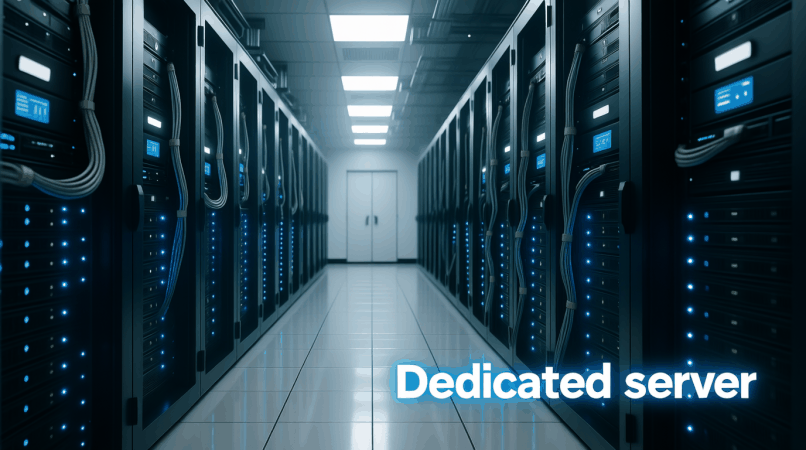
You might have heard the term "dedicated server" while looking for hosting. Maybe you were told it's better, faster, or more secure. But what does that really mean? And do you really need one?
Let's talk about it in simple words. No confusing tech talk. Just clear facts so anyone can understand.
A dedicated server is like having your own house on the internet. You don't share it with anyone. Everything - space, power, speed - belongs only to you. Unlike shared hosting, where many websites live on one machine, here you get the whole thing.
You install what you want and you manage who gets in.
How Does a Dedicated Server Work?
Every website needs a place to live online. That place is a computer called a server. These computers are always on, connected to fast internet, and kept safe in special rooms.
In shared hosting, one server hosts hundreds of sites. Like an apartment building. Everyone uses the same walls, pipes, and electricity. If one neighbor uses too much power, others feel it.
With a dedicated server, you get the entire building. No neighbors, no limits from others. All resources - memory, storage, processing power - are yours alone.
This means:
- Your site runs faster because no one else is slowing it down.
- You can handle more visitors at once.
- You can install custom software or security tools.
- You have full access to change settings as you wish.
Most providers let you pick the hardware, operating system, and location of the server. Some even offer managed support if you don't want to handle technical parts yourself.
Who Should Use a Dedicated Server?
Not everyone needs this kind of power. For small blogs or basic business pages, it's often too much. But some people and businesses truly benefit.
Let's see who really needs it.
Big Online Stores With Heavy Traffic
If you run a large e-commerce site, every second counts. Thousands of people might visit during sales or holidays. Too much traffic can crash a weak server.
A dedicated server handles high loads without slowing down. Your customers add items to cart. They pay quickly. No delays. No lost sales.
Also, you can set up strong security for customer data. This builds trust. People feel safe buying from you.
Businesses That Handle Sensitive Data
Some companies work with private info - client records, medical details, financial files. Sharing a server with unknown sites is risky.
With a dedicated server, you control who accesses the data. You add firewalls, encryption, and login checks. You meet legal rules more easily.
You also know exactly where your server is. Many providers let you choose the country. That matters for privacy laws.
Websites With Special Software Needs
Not all sites run on common platforms. Some use custom apps, old systems, or unique tools. Shared hosts often block these for safety.
On a dedicated server, you install anything you need. Need a rare database? Done. Want to run a special backup tool? No problem.
This freedom is gold for developers, IT teams, or niche services.
Gaming or Streaming Platforms
Online games, video streams, or live events need constant speed and low lag. Even a short delay ruins the experience.
Shared hosting can't keep up. A dedicated server gives stable, high-speed connections. Players don't disconnect. Viewers don't buffer.
Game servers, video platforms, or live auction sites rely on this stability.
Agencies Managing High-Profile Clients
You might run a web agency. Your clients include big brands, law firms, or government projects. They expect top performance and zero downtime.
One crash could damage their reputation - and yours. A dedicated server reduces risk. You deliver results they can count on.
Plus, you can host multiple client sites safely, with clear separation and backups.
Is a Dedicated Server Expensive?
Yes, it costs more than basic hosting. But think about what you're getting.
You're not paying for extra features you don't use. You're paying for reliability, speed, and peace of mind.
Basic plans start around $80-$100 per month. More powerful ones go higher. But compare that to losing thousands in sales during a crash.
Many providers offer setup help, backups, and 24/7 support. Some include monitoring tools. You don't have to be a tech expert to use one.
And remember: you can upgrade parts later. Start with what you need. Grow when you're ready.
Common Myths About Dedicated Servers
People often believe things that aren't true. Let's clear them up.
- Myth: Only big companies can use it.
Truth: Small teams with big needs can benefit too. - Myth: You must be a tech genius to run it.
Truth: Managed options do the hard work for you. - Myth: It's always complicated.
Truth: Good providers make it simple to start and manage.
When Can You Stick With Regular Hosting?
A dedicated server isn't for everyone.
If you have a small blog, a personal portfolio, or a local business page with few visitors, shared or cloud hosting is enough. It's cheaper. It works well.
You don't need a truck if you're just carrying groceries.
But if your site grows, or your needs change, you can always switch later. Many businesses start small and move to dedicated servers when the time is right.
Bottom line
A dedicated server gives you full control. It's fast, safe, and built for serious work.
You don't need one just because it sounds powerful. You need it when your website demands more than basic hosting can give.
Ask yourself:
- Is your site slowing down during busy times?
- Do you handle private or sensitive data?
- Are you limited by what you can install or change?
- Can downtime cost you money or trust?
If you answered yes to any of these, a dedicated server might be the right choice.
You don't have to decide today. Look at your options. Talk to providers. Try a plan and see how it feels.
The internet is your space. Make sure your website has the room it needs to grow. If you don't need a dedicated server and you are looking for a best web hosting visit home page.